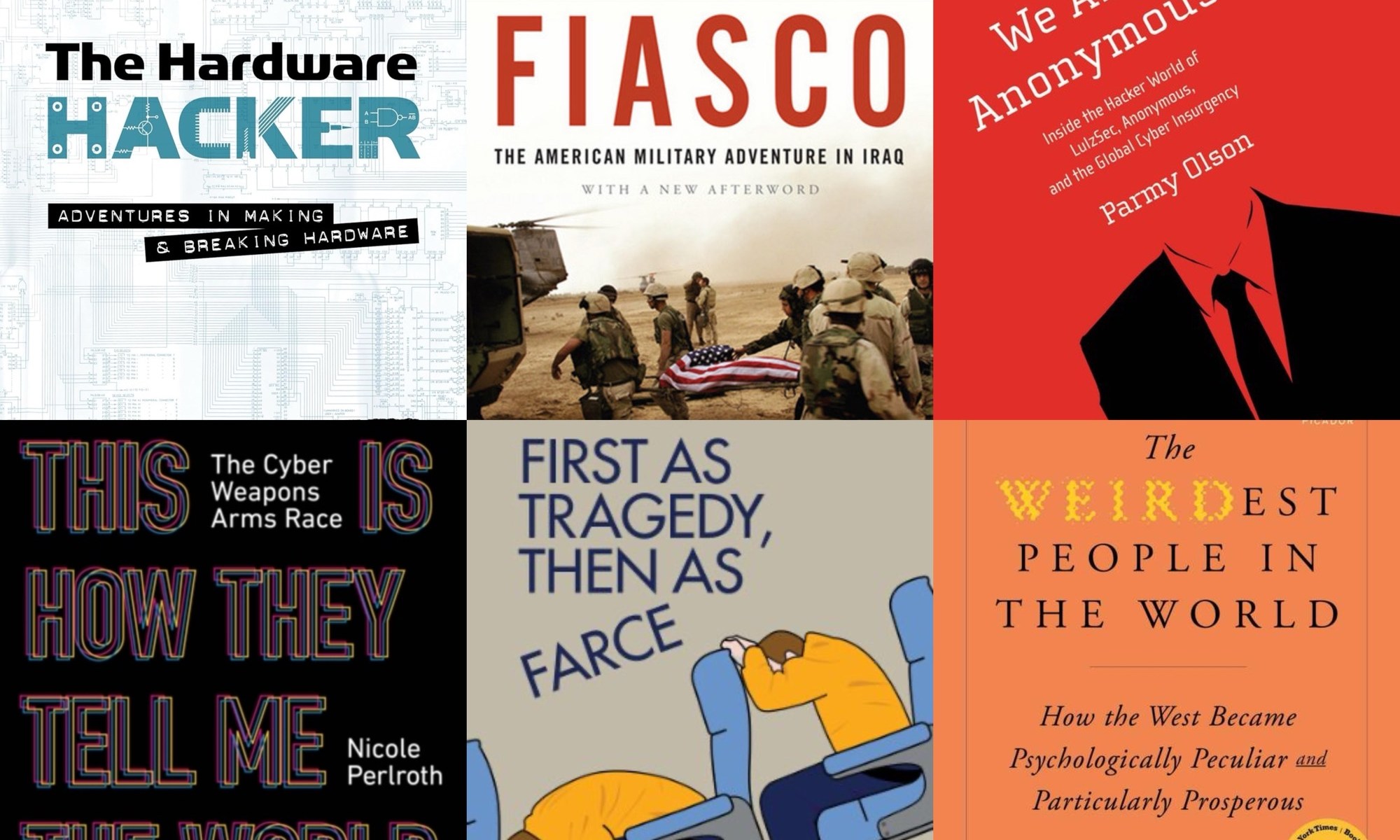
In no particular order, these are my favourite books of the past year.
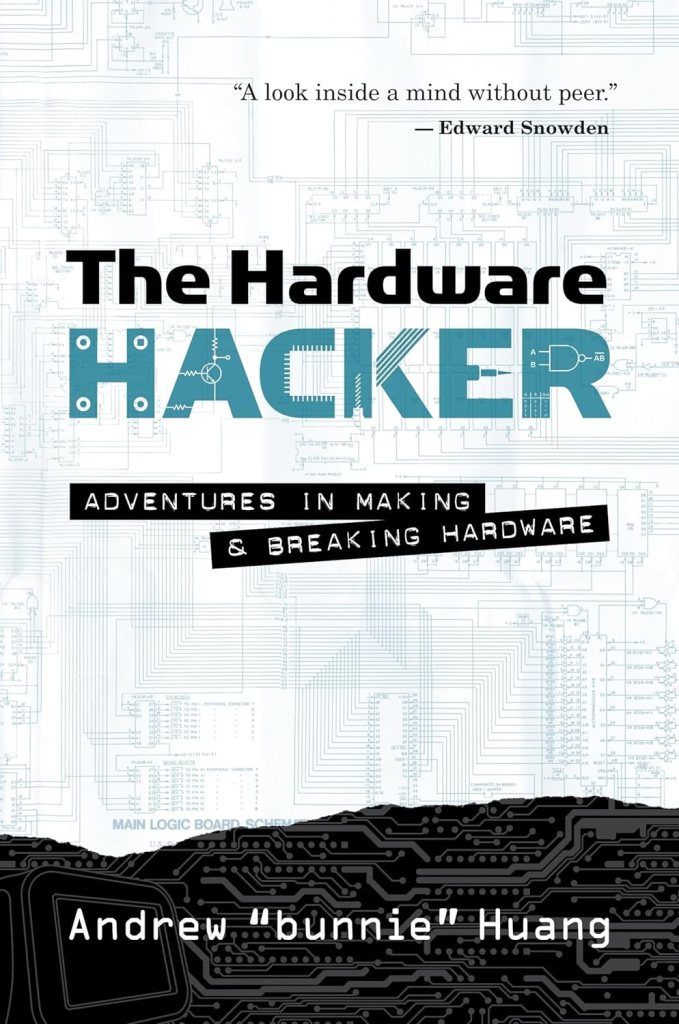
The Hardware Hacker: Adventures in Making and Breaking Hardware – Andrew “Bunnie” Huang
This book provides an intriguing exploration of hacker culture, technology, and innovation. The book dives into Huang’s journey through the tech landscape, particularly in Shenzhen, offering insights from the factory development pipeline and the unique dynamics of the tech economy there. Readers gain a deep understanding of the complexities involved in producing high-tech devices, while also being inspired by Huang’s creativity and ambition. I recommend this book for tech enthusiasts, it is captivating and fascinating.
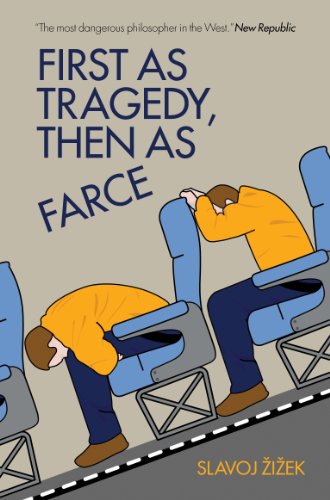
First as Tragedy, then as Farce – Slavoj Zizek
Released in the aftermath of the 2008 financial crisis, Zizek critiques the notion of “the end of history” and challenges the stability of the capitalist neoliberal system. He questions predictions about China’s democratic transition and exposes failures within the existing capitalist order. Zizek provocatively suggests the potential emergence of a new communism as an alternative to the current hegemonic paradigm and the problems it faces. While not always easy to grasp, Zizek’s work consistently engages and stimulates. I don’t always agree with, or even understand Zizek, but his books are always interesting and provoking.
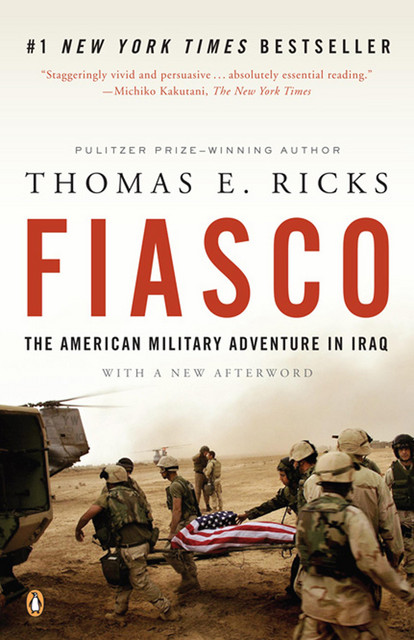
Fiasco: The American Military Adventure in Iraq, 2003 to 2005 – Thomas E Ricks
Fiasco is a fantastic analysis of the lead-up to, and aftermath of, the Iraq War. Ricks meticulously examines the factors that led to the conflict, the planning stages, the conduct of the war itself, and the consequences that followed the initial victories. A key takeaway is the lack of a comprehensive plan for post-war stabilization, which exacerbated the challenges faced by the US in Iraq. Written in 2009, the book offers prescient insights into the rise of the Islamic State and sectarian violence, though it also underestimates the enduring chaos and dysfunction that would come. Ricks’ work is essential reading for understanding the complexities and consequences of America’s military involvement in Iraq.
This is How they Tell me the World Ends: The Cyberweapons Arms Race – Nicole Perlroth
This book is a deep dive into the world of espionage, black markets, and cyber warfare. Perlroth presents a comprehensive account of the US government’s development of cyber weapons, tracing their history, and the evolving risks that those weapons now pose. The book reveals how the actions and oversights of the US cyber weapons program have transformed one of its greatest strengths into one of its greatest vulnerabilities. Through a mix of leaked information, backroom conversations, and insider perspectives, Perlroth unveils the clandestine world of hackers and global cyber war.
The Status Game – Will Storr
Talking about status, who has it, and how to get it, is a fairly taboo subject. We all know it when we see it but we generally feel uncomfortable admitting that we acknowledge it, value it, and want it. In this book, Storr takes status under the microscope. He analyzes the pros and the cons of status, the repercussions of its loss, the diverse variations it can take, how to use it to our advantage, and how to balance our relationship with it. This book was an amazing read on a fascinating topic and I highly recommend it.
We Are Anonymous: Inside the Hacker World of LulzSec, Anonymous, and the Global Cyber Insurgency – Parmy Olson
The elusive and enigmatic nature of LulSec and Anonymous is a story that is chaotic and surreal. The personal interviews and first hand accounts that Olson collects for this book are impressive and shocking. This is a comprehensive look at the people who made up LulzSec and Anonymous, the actions that they took, the people and companies that they trolled and attacked, and the lives that they are living now. This is a thrilling and illuminating capture of a unique and unbelievable moment in our internet history.

Outlive: The Art & Science of Longevity – Peter Attia
What I liked about this book is that it provides practical advice to extend not only the length of one’s life, but the quality of life experienced as well. He emphasizes that longevity alone is not fulfilling if accompanied by declining health and mobility. Attia focuses on the tangible things that you can do to help increase the odds of your longevity and quality of life. This includes consistent weight training for the duration of your life, not smoking, sleeping well, eating right, and more. While his advice may not be groundbreaking or new, the holistic emphases on preventing physical fragility, mitigating our biggest killers like cancer and heart disease, and improving mental health, combine to develop an actionable and inspiring plan that you can use to embark on a journey toward a longer, healthier, and more fulfilling life, starting today.

The WEIRDest People in the World: How the West Became Psychologically Peculiar and Particularly Prosperous – Joseph Henrich
Potentially my favourite book of the year. This text showcases the remarkable advancement in social science literature of the last 10 years. This book is ambitious and yet it delivers. Henrich compellingly describes the rise of human societies, how norms and institutions develop, and ultimately how Western civilization deviated from the rest of the world and became as titled, “peculiar and particularly prosperous.” A must read for anyone curious about the roots of societal norms and dynamics, this book offers invaluable perspectives on why the world is as it is today. Highly recommended, especially to those with passion for history and for understanding civilization.
Special Mentions:
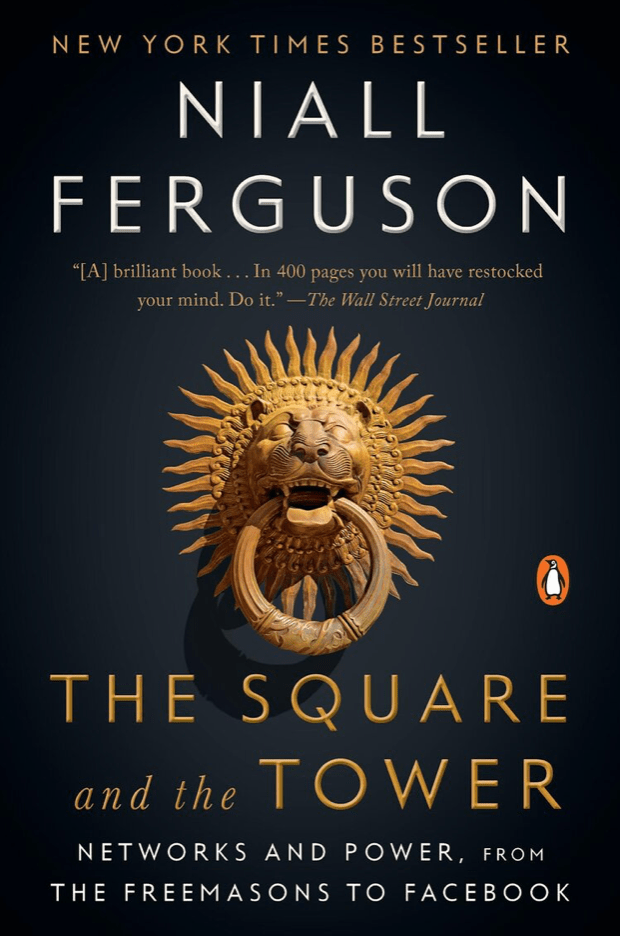
The Square and the Tower: Networks and Power, From the Freemasons to Facebook – Niall Ferguson
This book by Nial Ferguson was interesting but it’s hard for me to recommend. He goes to show that over human history there has been an oscillation of power and influence between the centrally located institutions and elites, and decentralized networks. My problem with the book is that it left me feeling a bit “So what?” On one hand it was interesting to see history framed in such a unique way, on another it felt a bit lacking and directionless. I found that I was interested but unsatisfied, and was left craving for more.
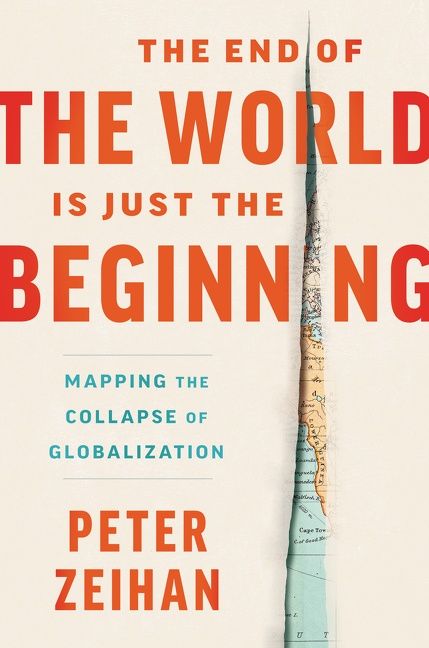
The End of the World is Just the Beginning: Mapping the Collapse of Globalization – Peter Zeihan
Peter Zeihan is a person who could really benefit from learning the words “I don’t know”. I rolled my eyes multiple times reading this book due to his overconfident and speculative predictions of unbelievably hard to predict future events. Despite this, what I love about this book is that he is one of the few people talking about demographics. Many countries, including Japan, Germany, China, and Russia, are either in the early stages of a demographic collapse, or will soon enter one. The restructuring of the global economy, how power will shift, and how nations will face this unprecedented challenge is profoundly important and interesting. Zeihan and I agree on the problems, but I don’t agree with many of his predictions, like that maritime shipping and world trade will end in the near future. It’s hard to recommend anything by Zeihan but the topics that he writes about are fascinating.
This article was written by me and then edited and refined by AI.
 The Online Mind